Welcome to Bali, Indonesia. You’ll begin your journey in the charming the most vibrant city in Indonesia – Bali, where a new adventure begins. With visa-on-arrival now available for many nationalities and no quarantine required, getting here is easier than ever. VietJet Air, Batik Air, Scoot, and so many airline offer convenient flight options. To ensure a smooth start and make the most of your day, we recommend scheduling your arrival between 14:00–15:00 local time. If possible, consider arriving a day early to unwind and adjust to the time zone — we’ll gladly provide a hotel recommendation so you can stay at the same location as the group.
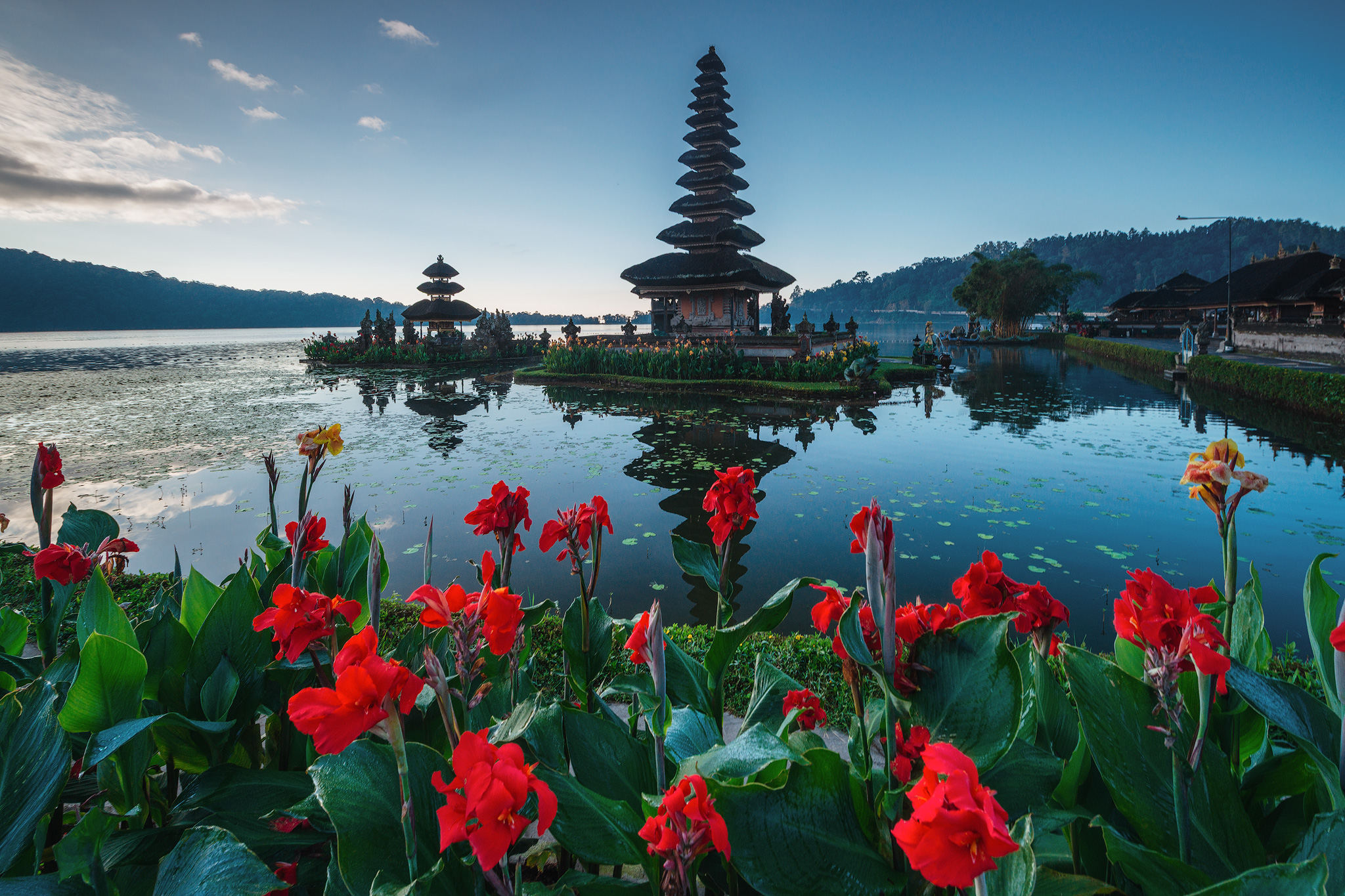
With short walk from your hotel, photographing Pura Ulun Danu Beratan is a magical experience, when mist floats across Lake Beratan and the temple appears to hover above the water. Located in the cool highlands of Bedugul, this iconic water temple is best captured at sunset, when calm conditions create beautiful reflections and the surrounding mountains add depth to the scene. A wide-angle lens allows you to include the temple, lake, and dramatic sky in one balanced composition, while a mid-range zoom is perfect for isolating architectural details and layered meru towers. For the most striking results, use a tripod and shoot at f/8–f/11 to maintain sharpness throughout the frame, keeping ISO low for clean image quality. Creative compositions can include framing the temple through traditional gates, using foreground flowers or shoreline elements for depth, or capturing reflections during still conditions. If visiting later in the day, experiment with slower shutter speeds to soften water movement, though mornings typically offer fewer crowds and better light. Above all, remain respectful, as Ulun Danu Beratan is an active Hindu temple and sacred site, and photograph quietly while appreciating the spiritual atmosphere that makes it one of Bali’s most photogenic landmarks.
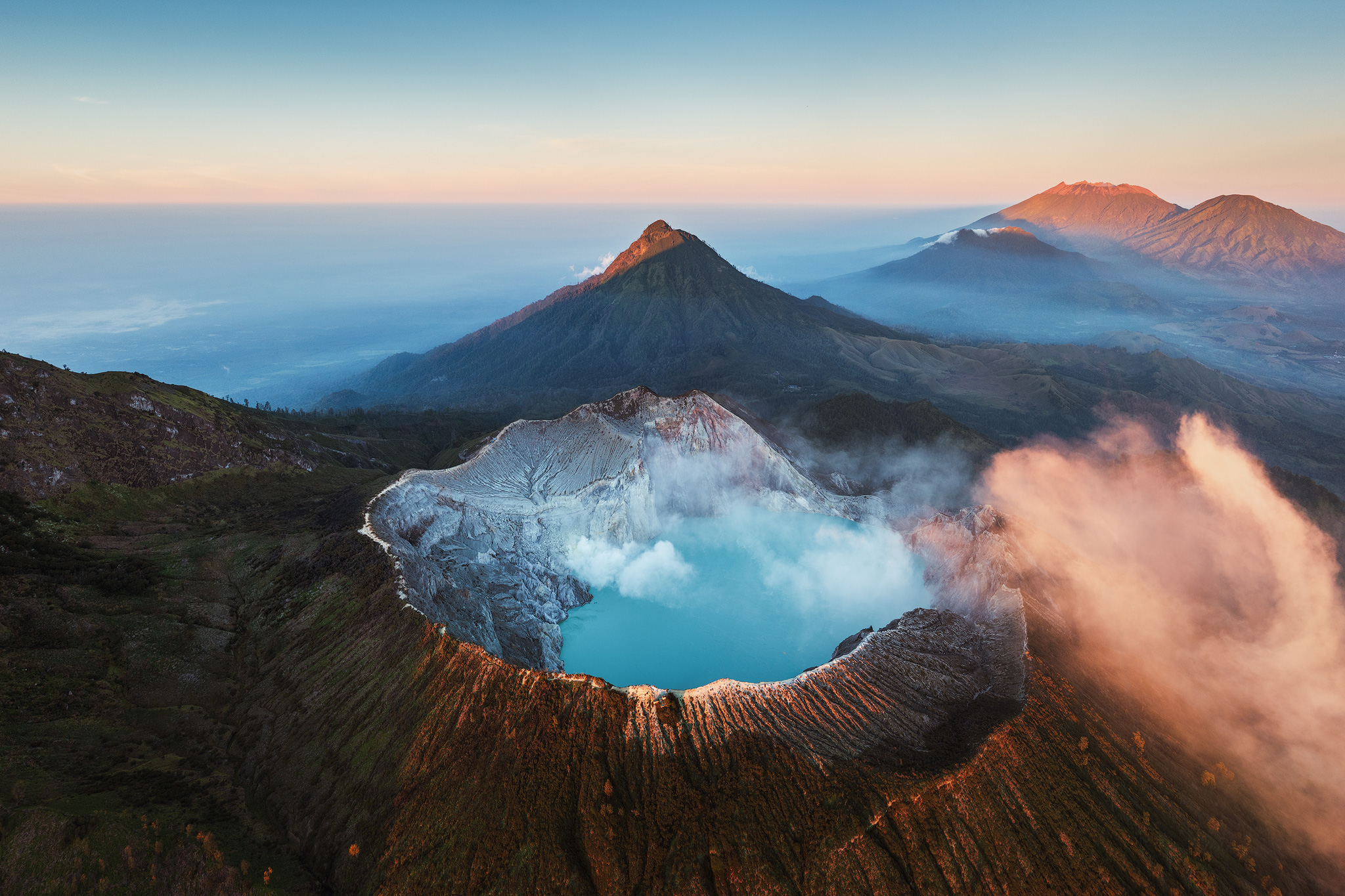 Hike before dawn to witness the rare blue flames of Ijen crater. As daylight reveals the surreal turquoise acid lake and sulfur miners at work, you’ll have powerful storytelling and documentary photo opportunities.
 Photographing the Legong in Bali is a captivating yet technically challenging experience, as the dance is performed in low light and filled with fast, intricate movements. Known for its dramatic eye expressions (seledet), precise finger gestures, and richly detailed gold and red costumes, Legong offers powerful visual storytelling opportunities. Focusing on the dancer’s eyes is key, as they convey much of the emotion and narrative, but capturing close-ups of the hands and costume details can add artistic variety. You can also experiment with slight motion blur during spins to convey movement and energy. Popular venues such as Ubud Palace and Pura Taman Saraswati or even Leke Leke waterfall provide beautiful architectural and nature backdrops that enhance composition, especially when framed with temple gates or soft stage lighting. Above all, remember that Legong is both a cultural performance and a sacred tradition, so dress modestly, remain unobtrusive, and photograph with respect while capturing the elegance and intensity that make this dance one of Bali’s most photogenic art forms.
 Capturing Tumpak Sewu Waterfall by drone reveals its true scale and symmetry — a dramatic semicircle of cascading water plunging into a lush volcanic canyon. Aerial photography is especially powerful here because the shape of the falls is best appreciated from above, where the amphitheater-like cliffs and central stream create strong natural leading lines. The best time to fly is at sunrise, when soft directional light enhances texture in the canyon walls and mist rises gently from the base, adding atmosphere without overexposing highlights.
Wind conditions can shift quickly in the canyon, so maintain stable positioning and monitor signal strength carefully. Always check local drone regulations and fly respectfully, avoiding crowds and maintaining safe distances. With thoughtful composition, careful exposure control, and early morning light, drone photography at Tumpak Sewu delivers epic, portfolio-worthy images that showcase one of Indonesia’s most breathtaking natural landscapes.
After finishing the morning photoshoot, we returned to the hotel for breakfast and packed our bags to head to the most exciting location of the tour, Bromo Volcano.
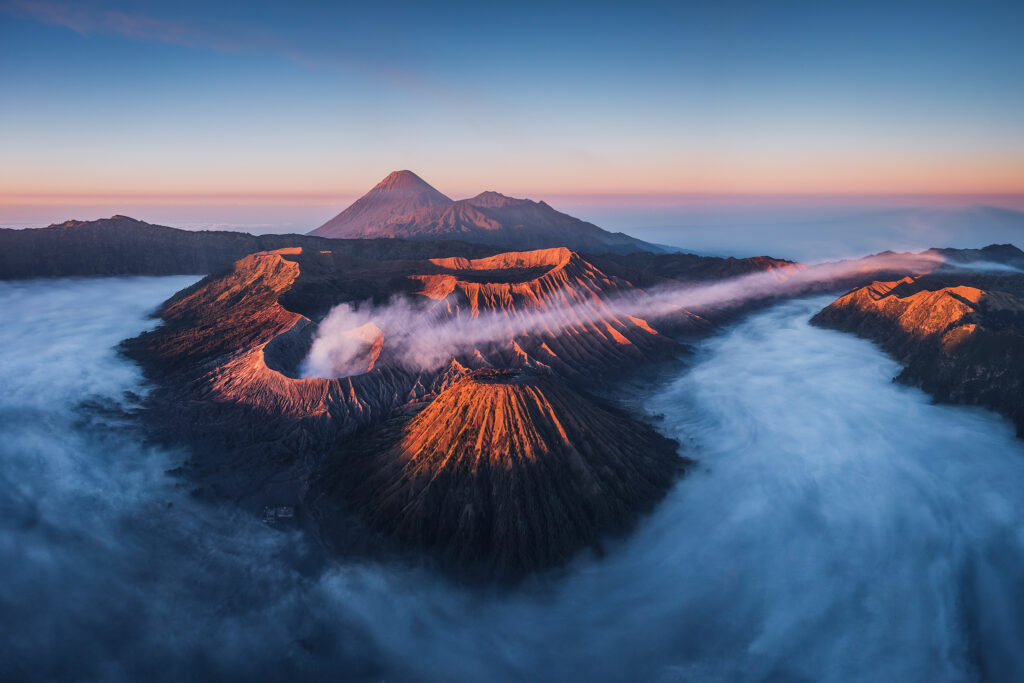
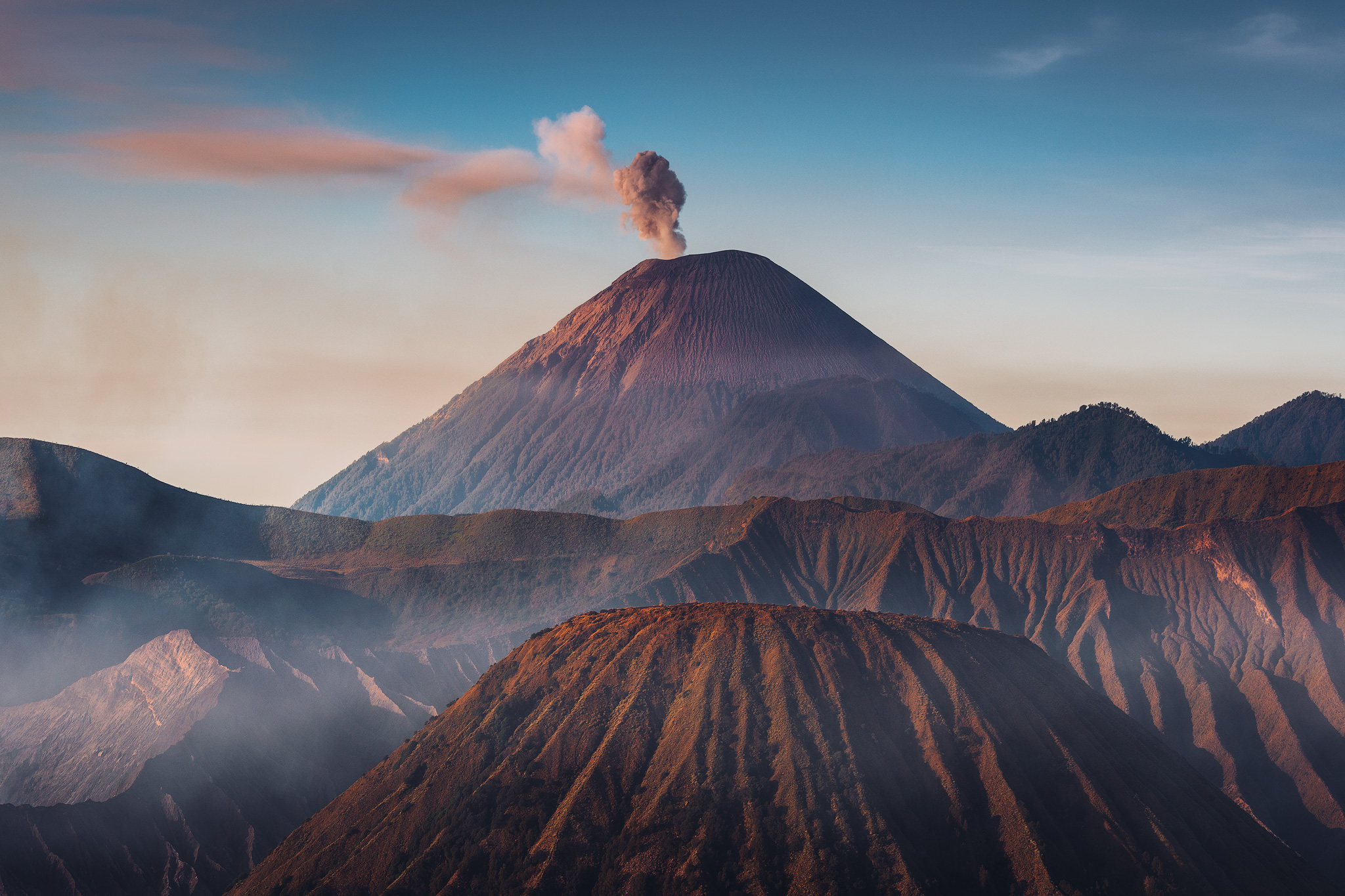
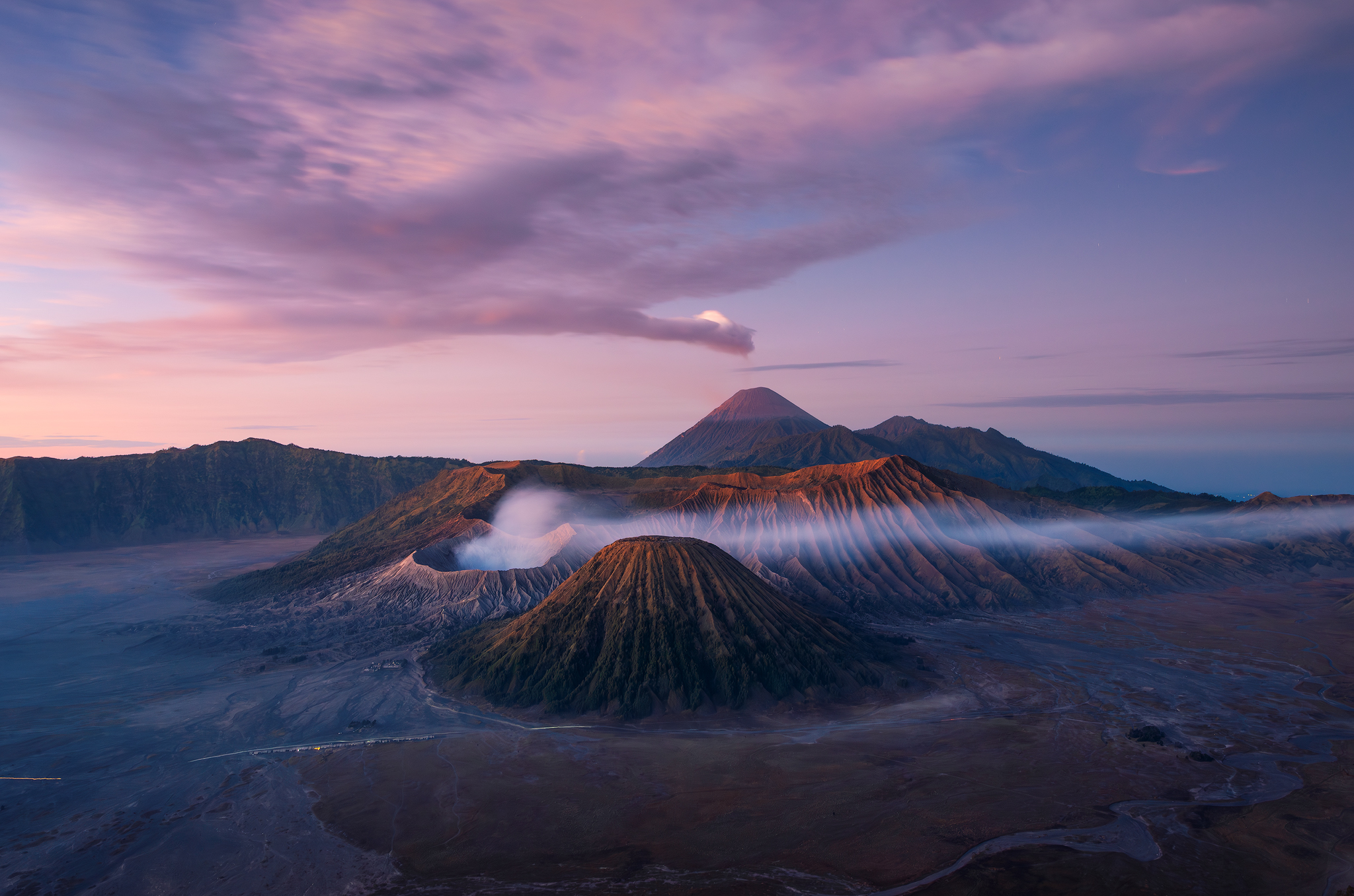 Photographing Mount Bromo within Bromo Tengger Semeru National Park is a full-day adventure that begins long before sunrise and ends in golden evening light. The day typically starts around 4:00 AM with a jeep ride to elevated viewpoints such as King Kong Hill or Penanjakan, where you can capture the iconic layered sunrise scene of Bromo, Mount Batok, and the smoking Mount Semeru rising above a sea of mist. Using a tripod and bracketing exposures helps balance the bright sky and shadowed caldera, while a telephoto lens beautifully compresses the volcanic layers. After sunrise, descend into the vast “Sea of Sand,” where early light creates dramatic shadows and minimalist compositions, perfect for including jeep silhouettes or leading lines in the volcanic dust. Later in the morning, hike up to the crater rim to photograph swirling smoke and rugged textures, using a faster shutter speed to freeze the movement of the rising sulfur clouds while protecting your gear from dust. As the day progresses, the green savanna and rolling hills offer a contrasting landscape ideal for wide-angle shots or aerial perspectives if conditions allow. In the late afternoon, return to a strategic viewpoint or remain within the caldera for sunset, capturing warm tones, silhouettes, and potentially blue hour or starry skies if staying after dark. With constantly shifting light, dramatic textures, and expansive volcanic scenery, a full day at Mount Bromo provides an extraordinary variety of photographic opportunities from epic panoramas to intimate details.
 Photographing Mount Bromo at its absolute best depends largely on weather, timing, and atmosphere inside Bromo Tengger Semeru National Park. The most ideal condition is a clear pre-dawn sky combined with low-lying mist filling the caldera, creating dramatic layers between Bromo, Mount Batok, and the smoking Mount Semeru in the distance. The dry season (generally May to October) offers the highest chance of clear skies and defined volcanic silhouettes, while mornings after light rain can produce especially photogenic fog and clean air. Arriving at the viewpoint by 4:30–5:00 AM ensures a strong position before sunrise, when the sky transitions from deep blue to warm orange hues. The best light typically occurs 10–20 minutes before and after the sun rises, when soft side-light enhances texture in the volcanic ridges without harsh contrast. Calm wind conditions help preserve mist layers, while light drifting fog adds depth and atmosphere. For optimal results, use a tripod, bracket exposures to manage dynamic range, and adjust white balance to retain natural warmth in sunrise tones. If clouds are present, scattered high clouds are ideal as they catch color beautifully, while heavy cloud cover can block the iconic mountain layers. Ultimately, the perfect Bromo condition combines clear horizons, layered mist, soft golden light, and visible volcanic smoke — creating the dramatic, otherworldly landscape that makes Mount Bromo one of Southeast Asia’s most iconic photography destinations.
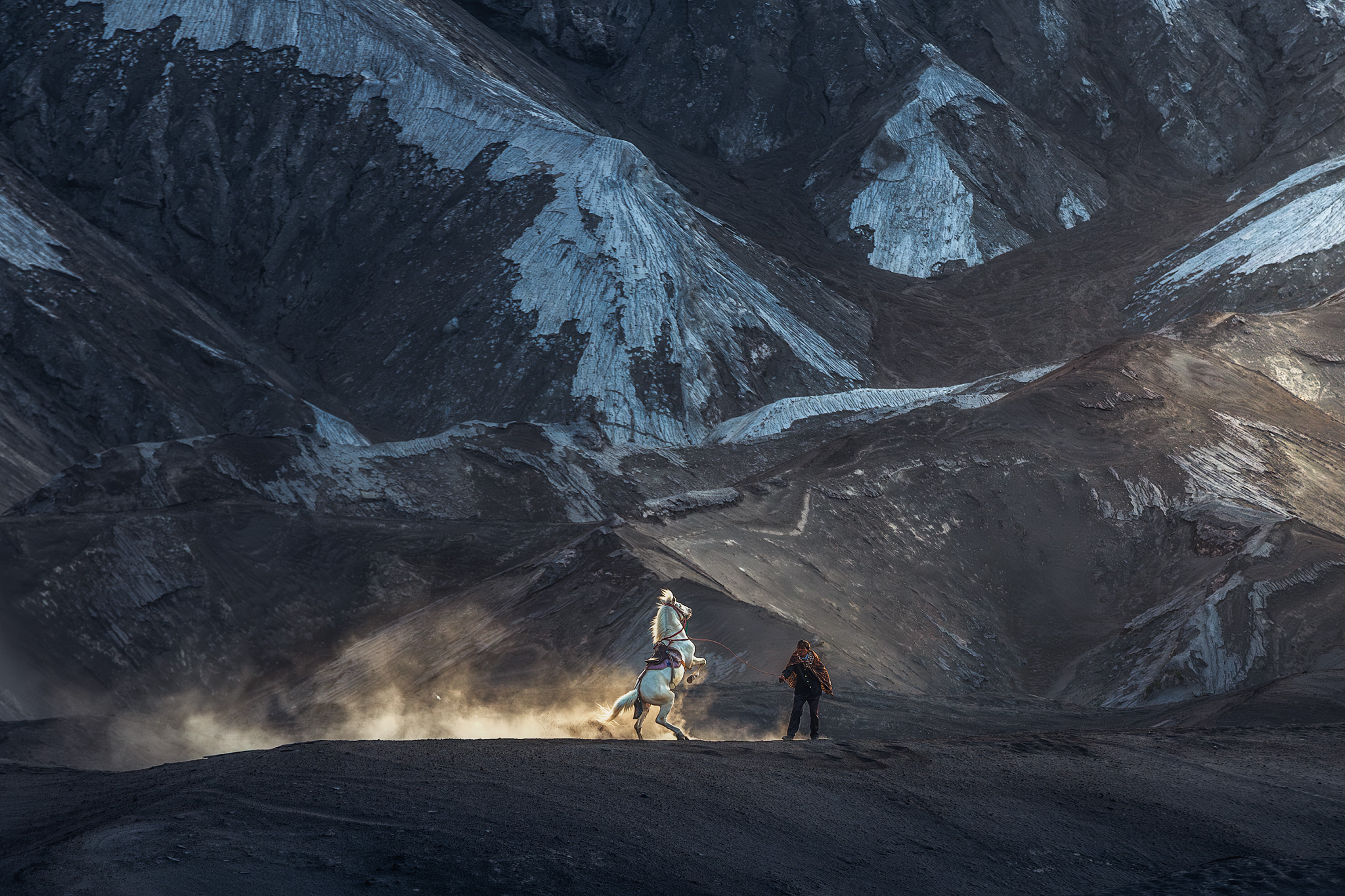
Horses are one of the most iconic foreground elements when photographing Mount Bromo, adding scale, movement, and a strong storytelling element to the vast volcanic landscape of Bromo Tengger Semeru National Park. Local Tenggerese riders use horses to transport visitors across the Sea of Sand, and these silhouettes against misty sunrise light create powerful, cinematic compositions. The best time to photograph horses is early morning, just after sunrise, when golden light skims across the sand and long shadows stretch dramatically behind them. Dust kicked up by hooves can add atmosphere, especially when backlit, so shoot toward the light carefully to capture glowing particles without overexposing highlights. A mid-range zoom (24–70mm) works well for environmental portraits, while a telephoto lens helps isolate riders against the smoky crater backdrop. Including horses in your Bromo compositions transforms a dramatic volcanic scene into a human story, making your images more dynamic and emotionally engaging.
 After organizing a workshop to share knowledge about post-processing and selecting the best photos throughout the trip, where everyone could exchange everything from technical specifications, lessons learned, and the best shots, we concluded the journey with a domestic flight from Surabaya to Bali and then back to Vietnam.